After years of clinical suspicion, large studies confirm elevated risk across multiple cancers From Lewis S Blevins Jr., MD – Professor of Neurological Surgery, Medical Director of the California Center for Pituitary Disorders at UCSF

Medical comments from Dr. Lewis Blevins MD. Director Center for Pituitary Disorders at University California San Francisco
After years of clinical suspicion, large studies confirm elevated risk across multiple cancers From Lewis S Blevins Jr., MD – Professor of Neurological Surgery, Medical Director of the California Center for Pituitary Disorders at UCSF

From Lewis S. Blevins, Jr. MD – Every few years, one organization or another releases “guidelines” and “recommendations” regarding the management of patients with acromegaly. These often include algorithms provided by an “acromegaly consensus group”

From Lewis S Blevins, Jr MD – The pituitary gland is certainly quite small, and not metabolically active when compared to other organs, thus commands a very small fraction of the cardiac output. Pituitary blood
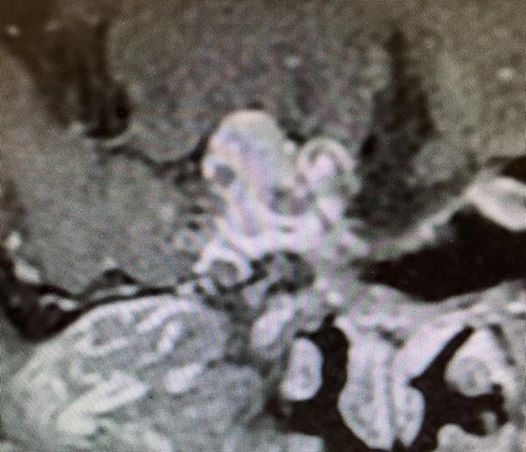
From Lewis S. Blevins Jr. MD – This person has residual growth hormone producing pituitary adenoma that was inaccessible to the surgeon via the transsphenoidal route. I must say, however, that about 90 to 95%

From Lewis S. Blevins Jr, MD – One of the greatest challenges facing medical practitioners is in the recognition and diagnosis of Cushing’s syndrome and disease. As if this not sufficiently difficult, an even greater

From Lewis S. Blevins Jr, MD – Transphenoidal pituitary surgery is the treatment of choice In the setting of Cushing’s disease due to a well-defined pituitary adenoma. Occasionally, patients with a suspected pituitary adenoma, but

From Lewis S. Blevins Jr, MD – I delivered an address on this topic in 2008. Here are the main themes extracted from a summary of a document that I prepared for the working

From Lewis S Blevins Jr, MD – Whenever we see unusual masses in the region of the pituitary we often think or ask ourselves: Could this be a blood vessel abnormality? Could this be an

From Lewis S Blevins Jr. MD – I am often asked how I approach those patients who have “residual hyperprolactinemia” after either surgery, and especially if there is no visible residual tumor on MRI, or
From Lewis S Blevins, Jr. MD – Pathologists are the mystery men and women behind the scenes in your healthcare. You will never meet them. You might see their name on a report or two

From Lewis S. Blevins Jr., MD – Hyperplasia is an increase in the number of cells in a tissue. The cells are related, in that they may be of the same cell type, but are
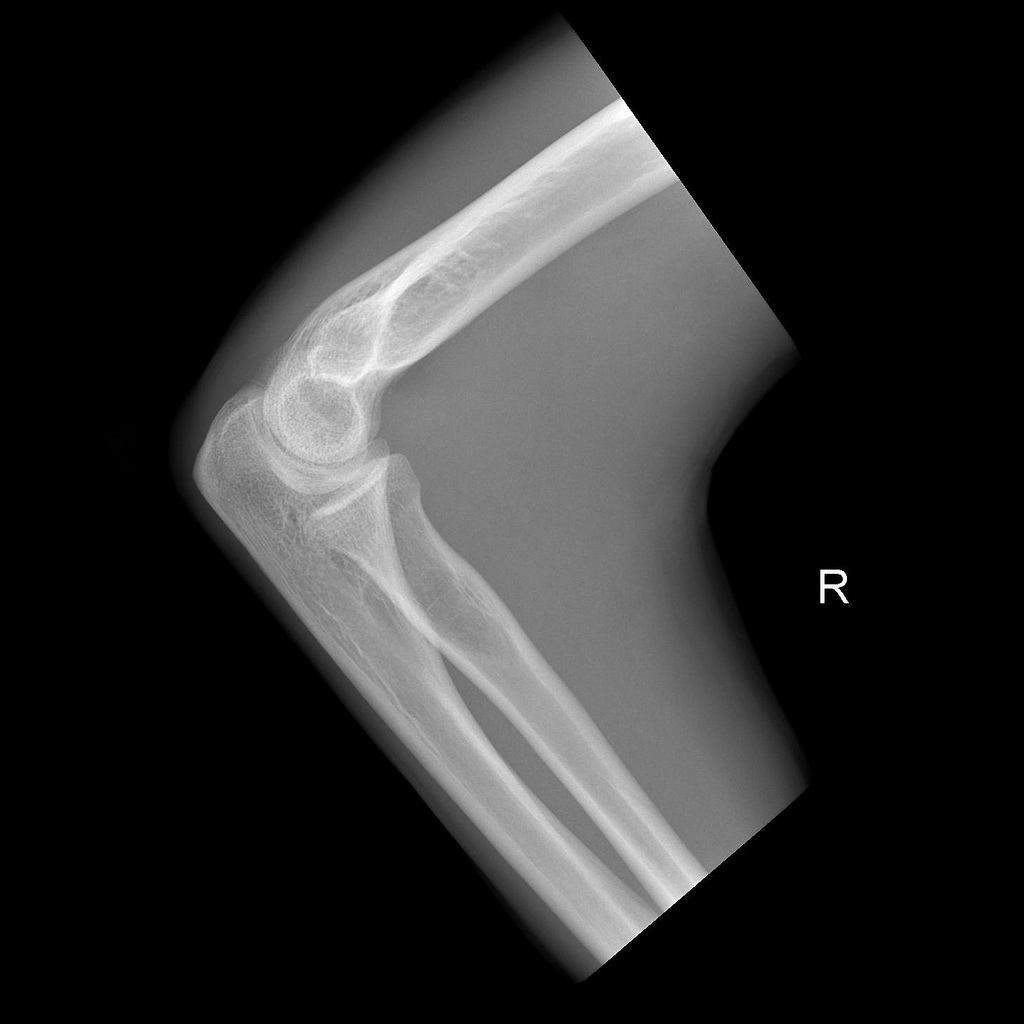
From Lewis S. Blevins, Jr., MD – “This is a nice review highlighting bone disease in patients with acromegaly. One would think that bone enlargement would be associated with increased strength. That is not always
From Lewis S Blevins Jr., MD – TSH-secreting (thyrotroph) adenomas are rare and account for less than 1% of all pituitary adenomas. They usually lead to excess production of thyroid hormone (hyperthyroidism), but can also