
From Linda M Rio, PWN contributor and mental health professional – What does not get discussed has more power to instill fear, promote untruths, and deepen hurt and pain. Even in our modern Western culture, many myths and misinformation surround both the topics of sex and suicide, so I thought it was time to begin to explore and try to understand both here, as difficult as it may be to address. Each of these topics requires volumes to explore adequately, but I will try to provide at least a starting point for consideration.
Even within the medical community, sex is often an uncomfortable issue to address with patients and their doctors. Medical and mental health professionals are human, and if raised with typical Judeo-Christian principles, have been taught that certain subjects are “private”; not to be discussed. Many parents even today have great difficulty “having the talk”. The fact that we know that “having the talk” is code for discussing sex says a lot about our lack of comfort with this topic. Suicide is probably one of the most frightening topics to think about, let alone discuss openly. Many people believe that talking about suicide will put such thoughts into the minds of those who are facing serious mental health issues. Both of these topics are serious and important for everyone, but even more so for those with neuroendocrine and pituitary disorders because of the often close connection between the medical and mental health aspects. And, many pituitary and other neuroendocrine disorder patients, and especially their spouses and close family members, are unaware of the connection between the medical diagnosis of a neuroendocrine tumor/pituitary disorder and these often-taboo subjects that are frequently thought of as mental/emotional only. The fact is that the mind and body are connected, and in some cases very closely affect one another. This article will provide only a brief overview of two extensive and important subjects that pituitary patients (and others, too, of course) often face but may unfortunately be overlooked too often.
First, let’s talk about sex. For the over-40 crowd, this may be considered a taboo topic just due to the cultural norms of the time period growing up. Current Western culture of music, television, movies, etc., exposes far more explicit images and openness to many aspects formerly never discussed or allowed in the open. And, it is important to be respectful and mindful of individual cultural, family, and religious beliefs and standards. But here I’m talking about biology, health, the physical as well as mental health aspects of healthy sexuality. So, although sex can be sensationalized, this is not the purpose of this article. When things don’t work exactly as desired or planned, sex can be an area of embarrassment or even shame for some. Myths and misinformation abound about reasons for when sex isn’t optimal. The expectation for ‘always wonderful’ is certainly one of the first to dispel. But there is a big difference between not perfect and illness-related.
The hypothalamic–pituitary-adrenal axis (H-P-A) plays a central role in the endocrine system. It represents a fundamental link between the brain and peripheral glands, including the gonads (sex organs). Therefore, the hormonal production of the H-P-A axis controls various aspects of sexual functioning for all genders. Many people believe that problems with sex are related only to specific sex organs themselves. Others believe that sex is only a mental/emotional issue. Anyone with knowledge of the importance of the endocrine system, with the pituitary as its center, can attest to the vast array of body systems impacted by hormones produced and regulated by the hypothalamus, pituitary, and adrenal glands (H-P-A). Dysregulation or disruption of these key areas in the body can have an immense reverberative impact on end sites in the body, including the sex organs. Sex is much more complex than the mere fitting together or stimulation of specific body parts. Healthy sex can result in human reproduction, but also emotional and physical pleasure, and the bringing together of people physically and emotionally. Sex helps people ban together, form units not only to aid in basic safety and to rear offspring, but to provide the emotional support and connection necessary for overall mental and physical health. So, sex is absolutely physical but also encompasses mental and emotional aspects of an intimate relationship.
Some disorders of the pituitary or other endocrine system glands can disrupt healthy sexual functioning. In males, pituitary disorders can disrupt the release of LH and FSH, causing hypogonadism (low testosterone) that can further cause a diminished desire for sex, erectile dysfunction (ED), or lower sperm production and infertility. Prolactinomas are a common cause of inhibition of the secretion of gonadotropins to cause such effects on sexual functioning. In some cases, secondary hypogonadism occurs when the pituitary fails to stimulate the testes, leading to oligospermia (low sperm count) or azoospermia (no sperm production). Erectile dysfunction (ED) also has psychological underpinnings, as stress does have an effect on performance. For women, decreased libido (sexual desire) can also occur for a variety of reasons; endocrine dysfunction is one potential reason. And again, emotional and mental stress can definitely affect desire, along with lubrication as well. Amenorrhea is the absence of regular menstrual periods. This or an irregular cycle can go missed and untreated, which can be a serious sign of ill health for those of childbearing years. Another sign that can, but not always, be indicative of pituitary dysfunction in females is galactorrhea, which is the production of milk from the breasts in a non-breastfeeding woman. It is important to note that men can also experience galactorrhea. Although this may not directly be considered a sexual issue, some may find this disturbing to even discuss with their physicians and/or significant others, and it may cause embarrassment enough to avoid intimate contact. Women during pre-and post-menopausal years can experience vaginal dryness as part of the normal aging process, but it can also be symptomatic of a disorder of the pituitary gland. Some pituitary disorders do not have a direct effect on sexual functioning but may have an indirect influence, which will be discussed later. Growth Hormone Deficiency (GH) can impact sexual functioning if it is low in energy or physical changes that can affect a person’s self-image.
Hypopituitarism occurs when the pituitary gland doesn’t produce sufficient amounts of one or more hormones. This can be caused by damage to the pituitary from tumors, infections, or head trauma. In women, reduced secretion of sex hormones such as estrogen can lead to menstrual irregularities or cessation of periods, as well as reduced libido, vaginal dryness, and difficulty achieving orgasm. Insufficient stimulation of the ovaries by gonadotropins (FSH and LH) can contribute to infertility and potentially lead to osteoporosis (a secondary effect of low estrogen) and affect sexual health, performance, and confidence as well. In general, neuroendocrine tumors/pituitary tumors/adenomas can affect sexual health and well-being in a variety of ways, either directly or indirectly. Ongoing or serious signs and symptoms should always be discussed with a physician, but the help of a mental health professional may also be helpful. A mental health professional, especially one with expertise in health issues and family relationships, can assist clients in finding the words to discuss with a doctor and an intimate partner. It is sometimes even helpful for a mental health therapist to be granted formal permission to consult with a physician in advance of a patient’s medical appointment. If the doctor knows that a patient is having difficulty talking about sexuality, he/she/they/them can be better prepared to initiate the discussion of a patient’s concerns.
In Cushing’s disease, a pituitary tumor produces excessive ACTH (adrenocorticotropic hormone), which stimulates the adrenal glands to produce too much cortisol. Symptoms of Cushing’s Syndrome can include an impact on sexual functioning by causing irregular menstrual cycles or amenorrhea, and infertility. Decreased libido can be directly due to hormonal changes, as well as to physical changes such as weight gain, hirsutism (excessive body hair), and acne, which can affect one’s self-confidence and self-image.
Sheehan’s Syndrome (postpartum pituitary necrosis) is a rare condition that occurs after severe blood loss during or after childbirth, leading to damage to the pituitary gland. It primarily affects the anterior pituitary gland. Sexual functioning can be impacted due to a deficiency in the gonadotropins, which can lead to amenorrhea, the inability to lactate, infertility, and low libido. Treatment typically involves hormone replacement for thyroid, adrenal, and sex hormones (estrogen, progesterone, etc.) as well as dopamine agonists to help shrink prolactin-secreting tumors and restore sexual function. The emotional toll this can levy is also important to address, as any disruption in a woman’s ability to conceive a child or provide breast milk could negatively affect her self-worth and therefore affect her relationship with her partner, as well as her child and others.
A study was published this year (2025), designed by endocrinologists to assess the sexual health and well-being of their adult pituitary patients. The study was completed anonymously via the internet by 326 participants who were asked about various aspects that included sexual behaviors, desire, and functioning. Participants were categorized into four groups: isolated anterior pituitary dysfunction (APD), isolated posterior pituitary dysfunction (arginine vasopressin deficiency, AVP-D), combined anterior and posterior pituitary dysfunction (Panhypopituitarism, PHP), and those with pituitary conditions without hormonal deficiency or excess (e.g., non-functioning pituitary adenomas), with the median age of 51 years [42–60]. 79% of the participants were female. The median duration of the patients’ pituitary dysfunction was 8 years. The most common causes of hormonal dysfunction were pituitary tumors or cysts (62%). 51% of patients were undergoing hormone replacement, while 28% had hormone excess. Important results of this study showed that sexual dysfunction and low sexual desire were highly prevalent across all subgroups. The highest severity was reported in patients with Panhypopituitarism. Sexual dysfunction was significantly correlated with sex, hormonal deficiencies, and comorbidities (Leibnitz, Nikaj, Atila, & Dhrit-Crain, 2025).
It is important to remember that beyond the physical symptoms, sexual dysfunction related to pituitary tumors can lead to emotional stress, body image distress, reduced self-esteem, and a strain on intimate and other relationships.
Often, patients report feelings of frustration, anxiety, or depression when their sexual health is affected, no matter what the underlying cause may be. Healthy sexual functioning is part of healthy adult functioning. Addressing the psychological and relational aspects is as important as managing the medical condition. Although the focus of this article is about the direct impact of pituitary disorders on sex and suicide, it is vital to acknowledge that there are many other potential causes and connections with both. For example, men who’ve experienced erectile dysfunction (ED) need to know that many physical illnesses can affect their sexual functioning, including diabetes, obesity, and depression, as well as smoking, alcohol use, certain prescription and over-the-counter medications, and cannabis. Other psychological factors that can inhibit the ability of men to get or maintain a full erection include everyday stress and worry, and a poor relationship with their sex partner. For men who have been diagnosed with a pituitary disorder, the stress of this alone can potentially lead to occasional challenging sexual performance. A man who has had to deal with ED due to illness may worry about this recurring, which can further affect performance. Individual psychotherapy and couples counseling can help address fears and self-image factors, as well as assist in talking with a partner about what might be a sensitive topic. For women, sexual “performance” is not as obvious but can still have a strong effect on personal self and body image, as well as affect an intimate relationship. For both men and women, it is vital to get accurate medical help and diagnoses. The partnership between good medical and mental health can help individuals and couples successfully manage any challenges that pituitary disorders can present.
Suicide. This is probably the most painful of all mental health issues to address and a topic very much avoided in general conversation. Firstly, it is extremely important to distinguish between someone who has suicidal thoughts and a person who actually intends and carries out suicide. And, the number one myth about suicide is that talking about it with someone who is depressed will cause them to fulfill their thoughts or plan. The opposite is true. Talking, confronting the thoughts and feelings, gives the person a sense of validation, a place to openly express what they feel inside, and an opportunity to explore other options to the pain they feel.
How many adults in the general population have thoughts of suicide? The numbers vary across studies, and gaining a clear picture may be difficult, as many people are not willing to admit to such thoughts, and estimates vary widely depending on factors such as sociodemographic characteristics, regional differences, and state-by-state reporting. Statistics report that people ages 85 and older had the highest rates of suicide. According to a CDC report (CDC, 2019) suicide was reported as the leading cause of death among persons over age 18. This statistic is extraordinarily sad and complex to understand. A history of childhood physical, sexual, and/or emotional abuse or neglect poses a strong risk of suicidal thought/ideation and behavior.
Pituitary disorders are NOT suicide disorders. Having a pituitary disorder does not determine that someone will have thoughts of or commit suicide. However, there is a link that must be acknowledged. And, a relationship is not causality. Not everyone, or even many, who have a pituitary disorder think about or commit suicide. But there appears to be a biological mechanism or process involved that causes severe mood disturbances, which science has yet to fully understand. It must be very clearly understood that pituitary tumors do not cause suicidal behavior. However, stress and Hypothalamic–Pituitary–Adrenal (HPA) axis dysregulation do play a major role in various pathophysiological processes associated with both mood disorders and suicidal behavior (Berardelli, et. al., 2020). And it is important to distinguish diagnostically between clinically diagnosed depression and suicide. Suicidal thoughts and behaviors are just one of several criteria listed under several of the mood disorders diagnoses. Having suicidal thoughts does not equate to following through with action. But, having suicidal thoughts is an extremely serious symptom that must be acknowledged seriously.
The psychosocial burden of a pituitary tumor is significant both to the body and the mind. Those with some pituitary disorders may experience physical disfigurement (e.g., acromegaly, Cushing’s), infertility, sexual dysfunction, cognitive decline, and more, as has already been discussed here. The uncertainty and time delay of diagnosis, invasive treatments (transsphenoidal surgery, radiotherapy), and lifelong hormonal replacement therapy may further heighten the psychological distress. Together, the physical and psychological factors can converge to produce demoralization, depression, and sometimes suicidal ideation/thoughts. Epidemiologic data demonstrate that patients with Cushing’s disease and prolactinomas have a higher suicide risk compared to the general population. Even after treatment, Cushing’s patients may still display depression, anxiety, panic disorders, and neurocognitive impairment (Pivonello, Simeoli, & De Martino, et. al). An elevated risk may persist even after endocrinologic remission, suggesting there may be structural and neurochemical changes in the brain that may not be fully reversible. This underscores the need for systematic psychiatric/psychological screening throughout the disease course.
Many studies have shown the impact of early childhood abuse and trauma on not only the mind and emotions but the body as well. Early life traumatic experiences produce alterations in inflammation and HPA axis abnormalities, which increase vulnerability to stress (Heim, Shugart, Craighead, & Nemeroff, 2010). Existing studies have investigated and demonstrated the relationship between childhood trauma and the risk of suicidal behavior (McGowan et al., 2009; O’Connor et al., 2020). O’Connor and colleagues (2018) investigated the association between childhood traumatic experiences, cortisol reactivity to a laboratory stressor, and resting cortisol levels in suicide risk patients. They underlined that the highest levels of childhood traumatic events were reported in patients who had attempted suicide (78.7%), followed by those who had thought about suicide (37.7%), and then those with no suicidal history (17.8%). These results are consistent with other findings, indicating that blunted HPA axis activity is at least partially associated with suicidal behavior.
Among the various biological, psychological, and social factors that increase suicidal risk, it is known that alterations in the HPA axis seem to play a relevant role. Because of known risk, those patients with Cushing’s disease and hyperprolactinemia, for example, demand vigilant recognition and ongoing assessments even following successful surgery. A comprehensive, multidisciplinary approach that integrates endocrine management with psychiatric care is critical to improving both survival and quality of life in this vulnerable patient population (Pivonello, Simeoli, De Martino, et. al, 2015; Pompili, Shrivastava, Serafini, et. al, 2013).
The importance of the HPA in modulating suicide risk, as well as its dysregulation, is still being investigated and better understood. Suicide risk has several biomarkers versus any singular illness, system, or root causality. Systems other than the HPA that are also implicated in suicide include levels of serotonin, opioids, the glutamate systems, inflammatory pathways, lipid status, neuroplasticity or neurogenesis (Berardelli, et. al., 2020).
Factors are known and still being discovered to help intercept people before making the decision to end their lives. Researchers also know that pituitary tumors exert profound effects on mood regulation through hormonal, neuroanatomical, and psychosocial mechanisms. Depression is frequently described as a comorbidity and suicide risk, but not in every case. And, it is important to know that not all who suffer from some form of depression or mood disorder, not due to a pituitary disorder, have thoughts or intentions of ending their lives either. Suicidal thoughts are just one of many symptoms of such disorders and are not essential for these diagnoses. Many who suffer from major depression or another mental health diagnosis may have given time wondering about ending their life, thought about ways to accomplish this, but never have the actual desire to follow through. There is a very important difference that should be determined by a mental health professional. Any consideration of ending one’s life needs to be validated for its seriousness and never dismissed as unimportant.
One of the reasons for this current article about both sex and suicide as factors to be addressed with pituitary patients is to highlight the importance of addressing these symptoms openly and appropriately with the patient’s treatment team. The importance of the patient discussing any concerns and/or symptoms with their physicians cannot be overstated. Additionally, collaboration among endocrinologists, neurosurgeons, psychiatrists, psychologists, marriage and family therapists, or other mental health professionals is essential. All treatment professionals, along with the patients and their family members, must remain vigilant and continue to maintain surveillance for any psychiatric sequelae throughout the pituitary treatment process. Removing a tumor does not end treatment. Pituitary disorders most often require long-term follow-up and management to achieve improved quality of life. Specialty medical and mental health support can help patients and their families lead rewarding, productive lives.
References
Berardelli, I., Serafini, G., Cortese, N., Fiaschè, F., O’Connor, R. C., & Pompili, M. (2020). The involvement of hypothalamus–pituitary–adrenal (HPA) axis in suicide risk. Brain Sciences, 10(9), 653. https://doi.org/10.3390/brainsci10090653
Heim, C., Shugart, M., Craighead, W. E., & Nemeroff, C. B. (2010). Neurobiological and psychiatric consequences of child abuse and neglect. Developmental Psychobiology, 52(7), 671–690. https://doi.org/10.1002/dev.20494
Ivey-Stephenson, A.Z., Crosby, A.E., Hoenig, J.M., Gyawali, S.G. ,Park-Lee, E. Sarra L. Hedden, S.L. (2022) Suicidal Thoughts and Behaviors Among Adults Aged ≥18 Years — United States, 2015–2019. MMWR Surveill Summ2022;71(No. SS-1):1–19. DOI: http://dx.doi.org/10.15585/mmwr.ss7101a1.
Leibnitz, S., Nikaj, A., Atila, C., & Dhrit-Crain, M. (2025). Prevalence of sexual dysfunction in patients with pituitary disease: insights from the international DREAMS survey study Endocrine Abstracts. 110 EP1180 | DOI: 10.1530/endoabs.110.EP1180
Lutz, P. E., Mechawar, N., & Turecki, G. (2017). Neuropathology of suicide: Recent findings and future directions. Molecular Psychiatry, 22(10), 1395–1412. https://doi.org/10.1038/mp.2017.141
McGowan, P. O., Sasaki, A., D’Alessio, A. C., Dymov, S., Labonté, B., Szyf, M., Turecki, G., & Meaney, M. J. (2009). Epigenetic regulation of the glucocorticoid receptor in human brain associates with childhood abuse. Nature Neuroscience, 12(3), 342–348. https://doi.org/10.1038/nn.2270
O’Connor, D. B., Branley-Bell, D., Green, J. A., Ferguson, E., O’Carroll, R. E., & O’Connor, R. C. (2020). Effects of childhood trauma, daily stress, and emotions on daily cortisol levels in individuals vulnerable to suicide. Journal of Abnormal Psychology, 129(1), 92–107. https://doi.org/10.1037/abn0000482
O’Connor, D. B., Green, J. A., Ferguson, E., O’Carroll, R. E., & O’Connor, R. C. (2018). Effects of childhood trauma on cortisol levels in suicide attempters and ideators. Psychoneuroendocrinology, 88, 9–16. https://doi.org/10.1016/j.psyneuen.2017.11.004
Pivonello, R., Simeoli, C., De Martino, M., et. al (2015). Neuropsychiatric disorders in Cushing’s syndrome. Sec. Neuroendocrine Science, Volume 9 – 2015, | https://doi.org/10.3389/fnins.2015.00129
Salvio, G., Martino, M., Giancola, G., Arnaldi, G., and Balercia, G. (2021). Hypothalamic–Pituitary Diseases and Erectile Dysfunction. J. Clin. Med. 2021, 10(12),2551; https://doi.org/10.3390/jcm10122551
Pompili, M., Shrivastava, A., Serafini, G., Innamorati, M., Milelli, M., Erbuto, D., Ricci, F., Lamis, D. A., Scocco, P., Amore, M., & Girardi, P. (2013). Bereavement after the suicide of a significant other. Indian Journal of Psychiatry, 55(3), 256–263. https://doi.org/10.4103/0019-5545.117145
 “Linda is in private practice in Westlake Village, California, and can be reached at
Linda M. Rio, M.A., LMFT (805) 619-0950
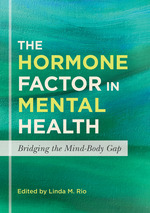
The book The Hormone Factor in Mental Health is available through Amazon.com and other major booksellers.Order your copy here.
© 2025, J D Faccinetti. All rights reserved.