After years of clinical suspicion, large studies confirm elevated risk across multiple cancers From Lewis S Blevins Jr., MD – Professor of Neurological Surgery, Medical Director of the California Center for Pituitary Disorders at UCSF

Medical comments from Dr. Lewis Blevins MD. Director Center for Pituitary Disorders at University California San Francisco
After years of clinical suspicion, large studies confirm elevated risk across multiple cancers From Lewis S Blevins Jr., MD – Professor of Neurological Surgery, Medical Director of the California Center for Pituitary Disorders at UCSF
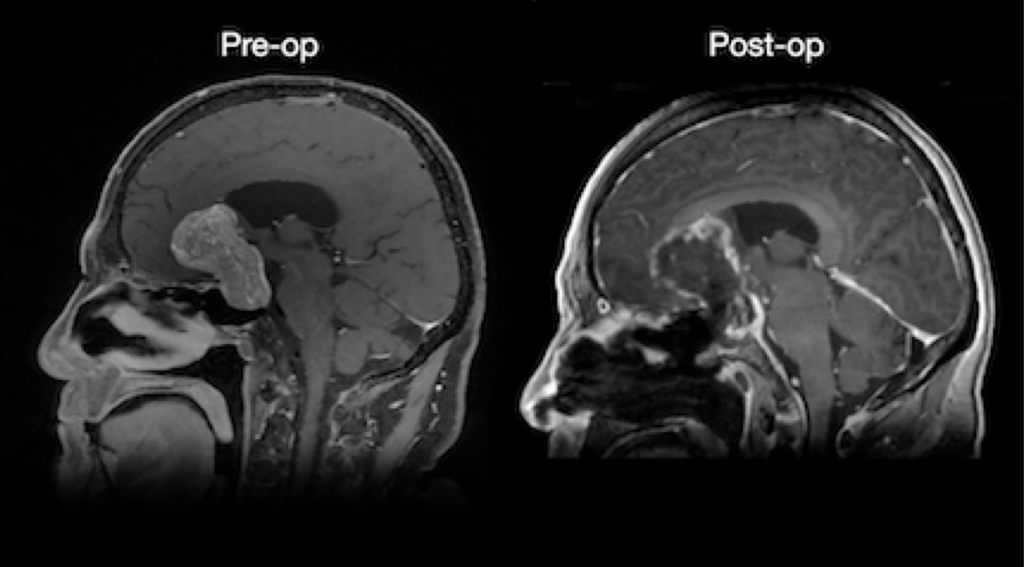
From the University of California, San Francisco, (UCSF) MedConnection comes a fascinating article about a patient with a giant pituitary adenoma removed via endoscopic endonasal surgery.
In this podcast oriented to physicians, Dr. Lewis Blevins talks about a case of a patient with a pituitary lesion called a hemangiopericytoma invasive in the right cavernous sinus. Although the content is technical, patients and other interested parties may find the discussion interesting.
Here are links to Dr. Blevins’ discussion of five drugs to treat hypercortisolism.
We are pleased to announce a series of podcasts on the medical management of hypercortisolism.
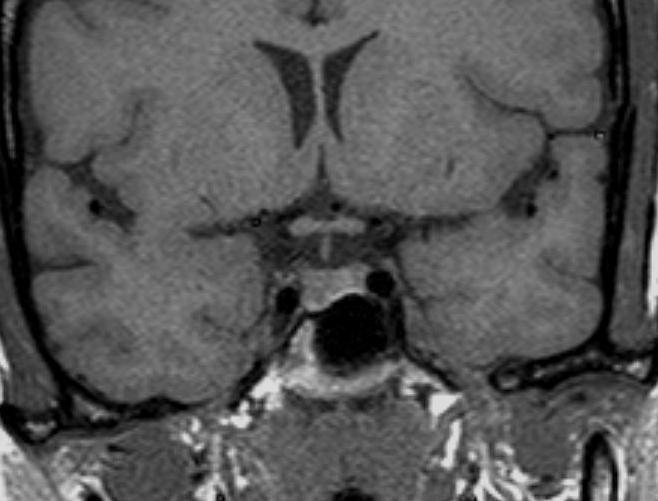
Learn why pituitary tumors are not brain tumors—and why that distinction matters for diagnosis and treatment.

Two outstanding informational webinars were made available to Pituitary World News by Dr. Lewis Blevins, co-founder and medical director of the California Center for Pituitary Disorders at UCSF Medical Center. These webinars are designed primarily
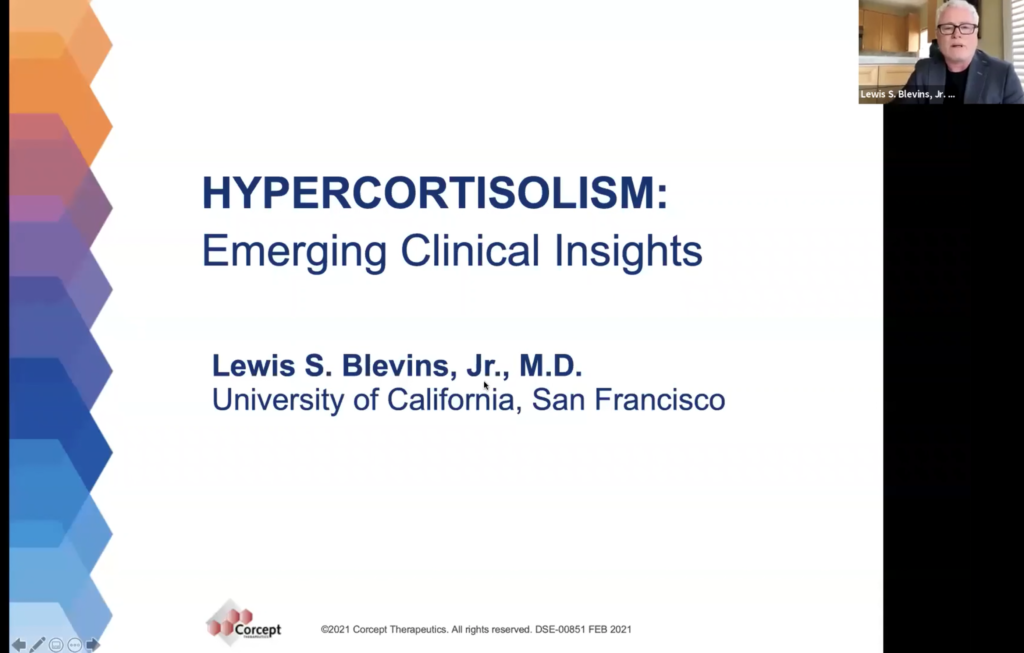
A presentation from Lewis Blevins, M.D. Pituitary World News cofounder and Medical Director of the California Center for Pituitary Disorders at UCSF on the emerging clinical insights of hypercortisolism. Click here to view the presentation.

From our friends at UCSF: Read this great update with links to articles on telemedicine for patients with pituitary disorders, making surgery safer during the Covid-19 pandemic, common mistakes made when treating patients with central hypothyroidism,
Two cases where patients’ lack of follow-up leads to complications that likely could have been avoided.
Interesting inquiries prompted by the questions patients leave in their health portals.
A compelling, detailed account of a pituitary patient’s experience with COVID-19 everyone should listen. As the virus takes hold in what is undoubtedly the worst phase of this pandemic, we urge you to follow all
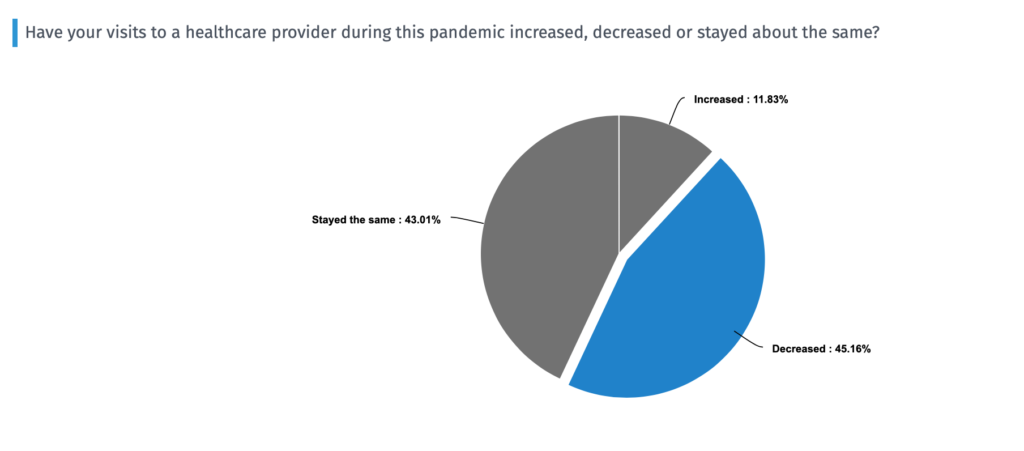
Not surprisingly, COVID-19 appears to have significantly impacted pituitary patients’ access to healthcare. Our brief survey elicited information from respondents on their experiences and attitudes towards obtaining healthcare via telemedicine. Dr. Blevins shares the findings