In today’s podcast, Crinetics co-founders Dr. Scott Struthers and Dr. Steve Betz share their views and experiences in drug discovery and development, revealing what it really takes to bring a new medication from concept to patients.
Acromegaly is usually caused by a noncancerous tumor. Middle-aged adults are most commonly affected. Symptoms include enlargement of the face, hands, and feet. Prompt treatment is needed to avoid serious illness. Drugs can reduce the effects of growth hormone. If needed, surgery and radiation may be used to remove tumor cells.
In today’s podcast, Crinetics co-founders Dr. Scott Struthers and Dr. Steve Betz share their views and experiences in drug discovery and development, revealing what it really takes to bring a new medication from concept to patients.
This is part one of an upcoming series of podcasts by Dr. Blevins on Acromegaly exclusively produced for Pituitary Word News. From the early 90’s, where very few options existed for the treatment of Acromegaly,
From Lewis S. Blevins, Jr. MD – Somatostatin analogs are a class of drugs that are chemically modified forms of native somatostatin. They are meant to act like somatostatin. Somatostatin is produced in our bodies,
From Lewis S. Blevins, Jr. MD – Every few years, one organization or another releases “guidelines” and “recommendations” regarding the management of patients with acromegaly. These often include algorithms provided by an “acromegaly consensus group”
From J D Faccinetti – Shortly after my acromegaly treatment had begun in 2011, I got a call from my friend and now Pituitary World News partner Dr. Lewis Blevins. He had given my name
From Lewis S. Blevins Jr. MD – This person has residual growth hormone producing pituitary adenoma that was inaccessible to the surgeon via the transsphenoidal route. I must say, however, that about 90 to 95%
Experts Recommend Tumor Removal as First-Line Treatment for Acromegaly. Endocrine society publishes Clinical Practice Guidelines on condition caused by excess growth Hormone. View a PDF of the guidelines here Washington, DC—The Endocrine Society today issued
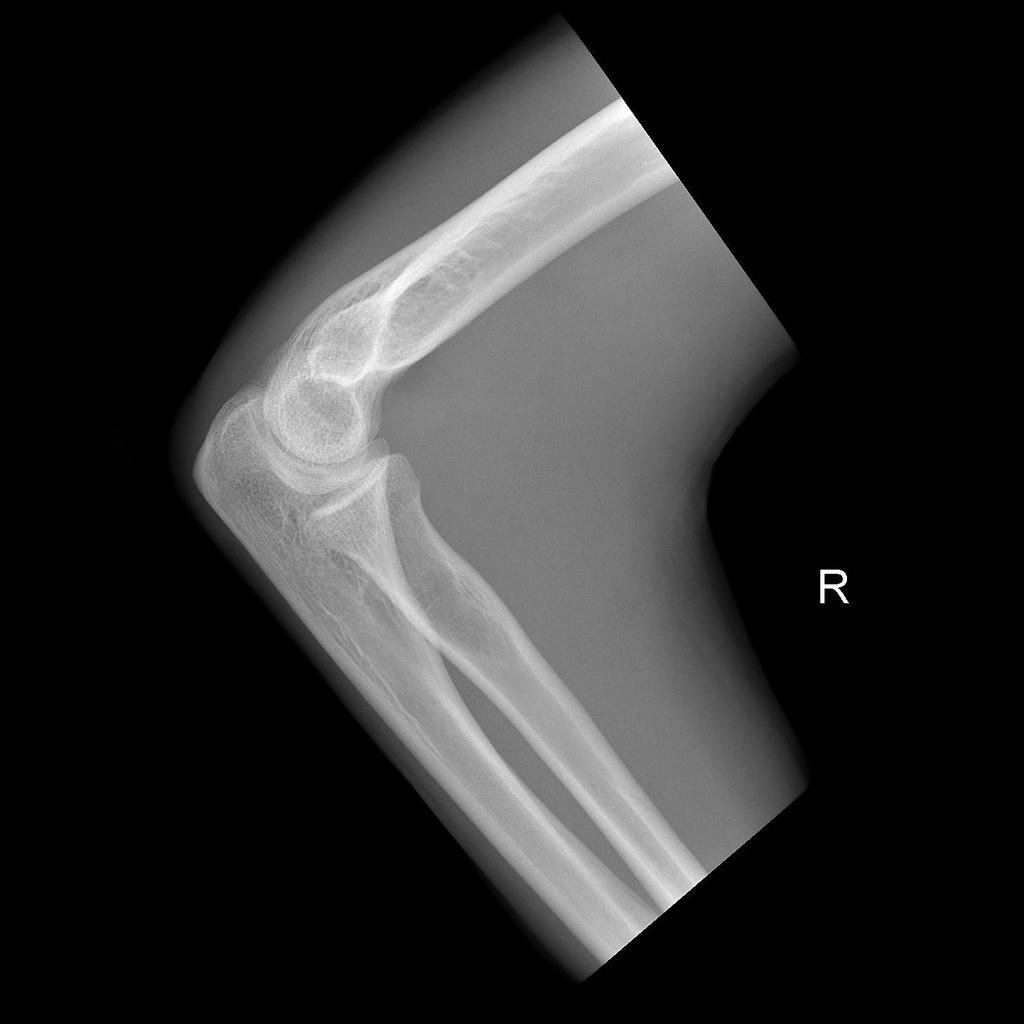
From Lewis S. Blevins, Jr., MD – “This is a nice review highlighting bone disease in patients with acromegaly. One would think that bone enlargement would be associated with increased strength. That is not always
From Lewis S Blevins Jr,. MD – My approach to the postoperative evaluation of patients with acromegaly is based on over a quarter of a century of experience evaluating and treating patients with the disorder.
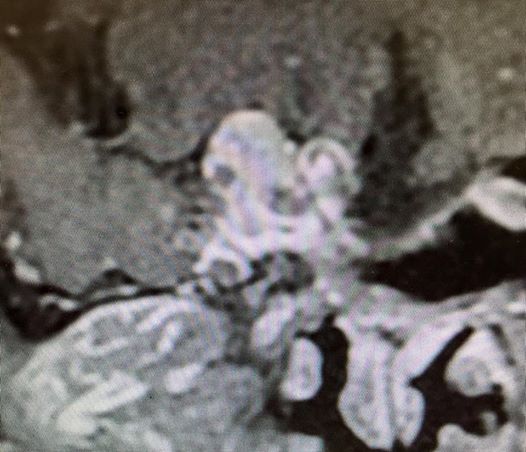
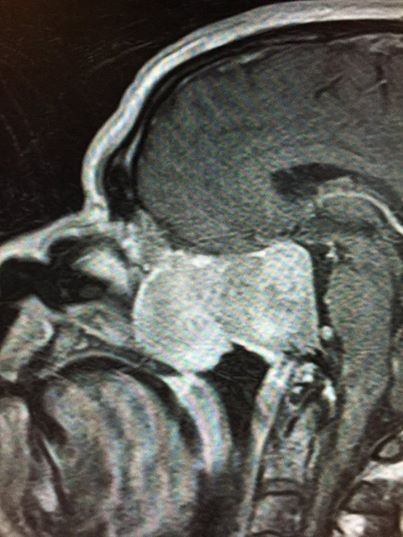
From Lewis S Blevins, Jr. MD – All too often, I see patients who come to the clinic with devastating recurrences of their pituitary tumors. For example, the accompanying MRI depicts a recurrent pituitary tumor in
From Dr. Lewis Blevins. Growth Hormone is secreted in pulses, usually 9-12 per 24-hour period, and most of these occur at night while we are sleeping. In normal adults, growth hormone levels are undetectable 50%
Some pituitary tumors occur as a result of heritable conditions. Dr. Korbonits and her group have remarkably advanced our understanding of the genetics of inherited pituitary disorders. She has elucidated the genetic cause of acromegaly